Book a test cut
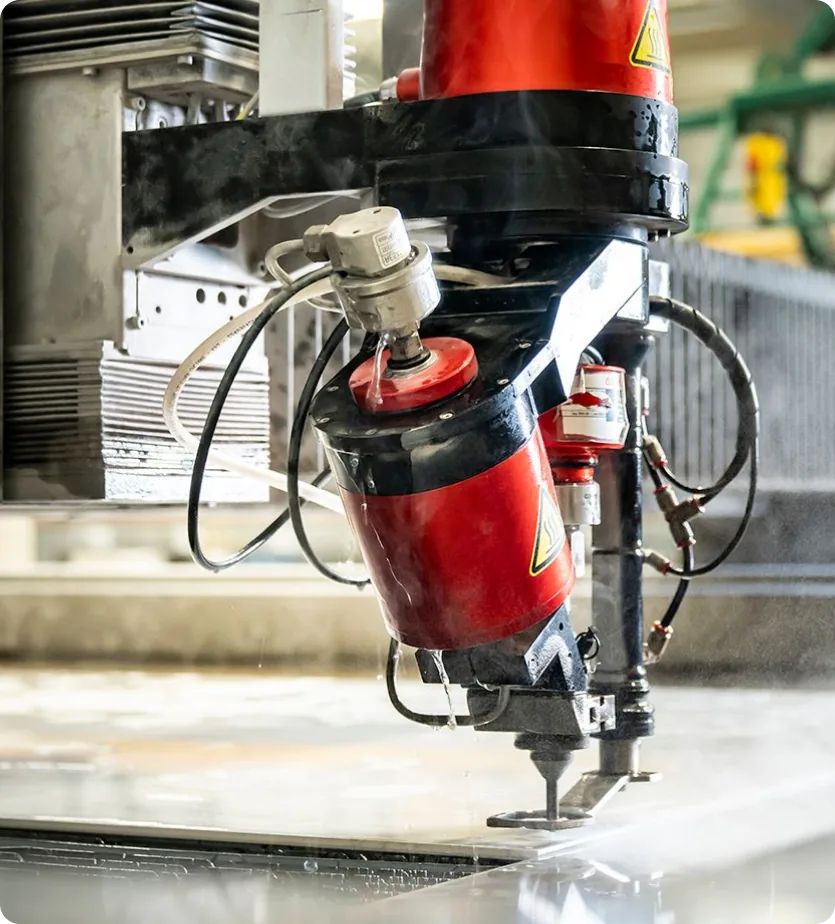
Waterjet cut detail in stainless steel Without heat input

One process, almost any material

From granite to titanium, from 1 to 200 mm thick, without heat input and without changing tools.

All industries
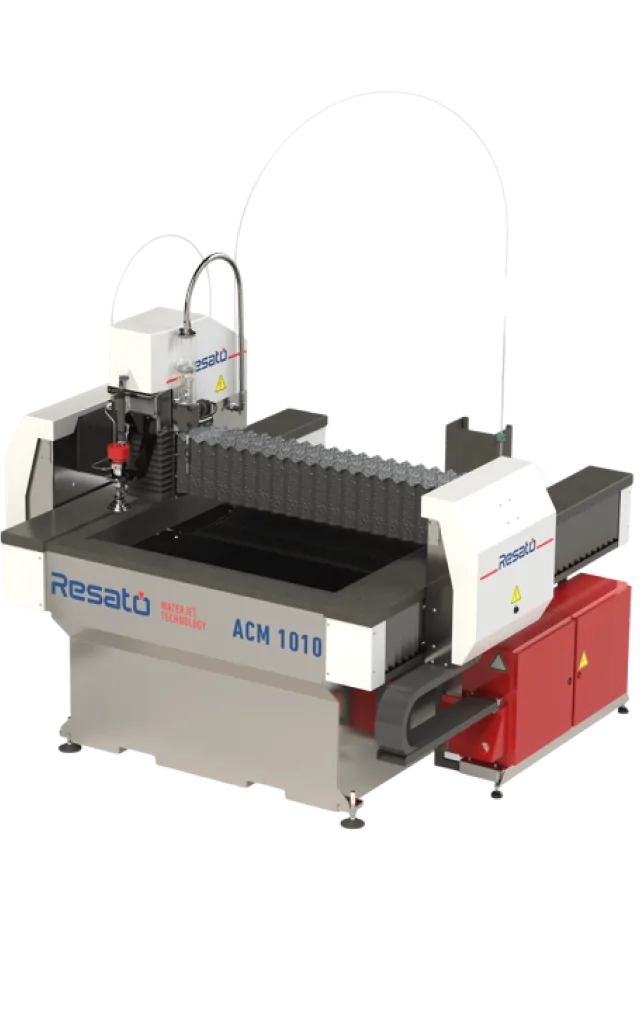
Resato ACM waterjet cutting machine Built in Assen

Configure your waterjet

Choose table, cutting head and pump, designed as one system and serviced by one team.

View the cutting system
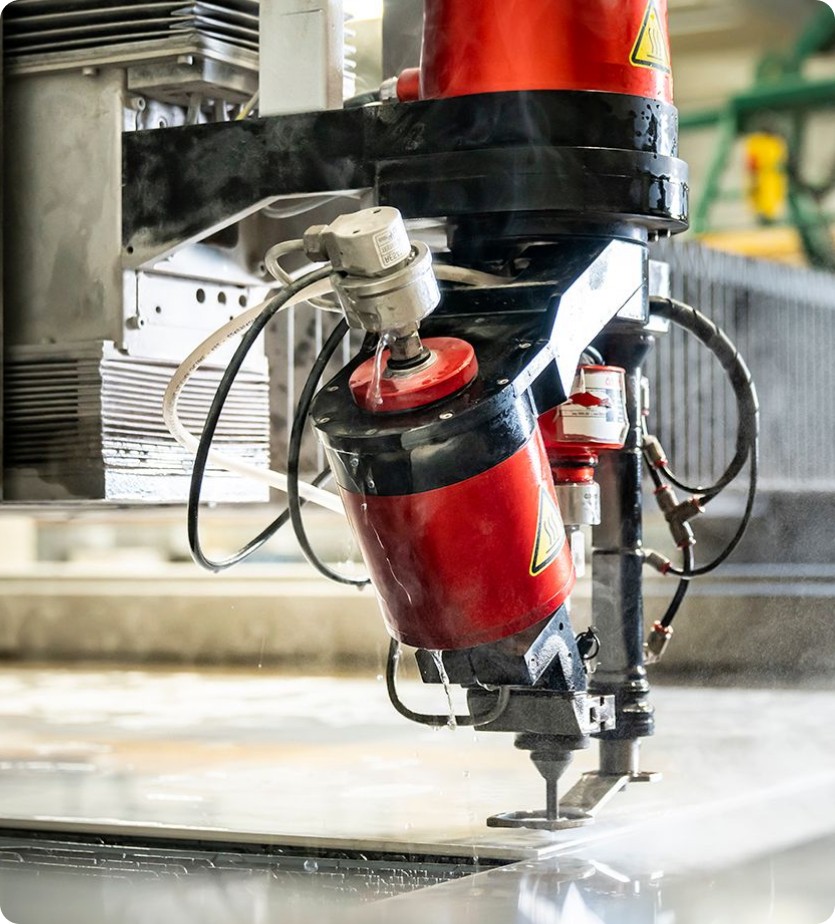
Servicing a Resato waterjet cutting machine Uptime first

Service from the manufacturer itself

Our own engineers, parts from our own stock. In the event of a breakdown we log in to the machine directly and assess its status.

All services
Waterjet cutting in practice References

Four sectors, one cutting technique.

From acoustics and defence to stone working and custom metal: companies large and small cut with it every day.

All knowledge & references
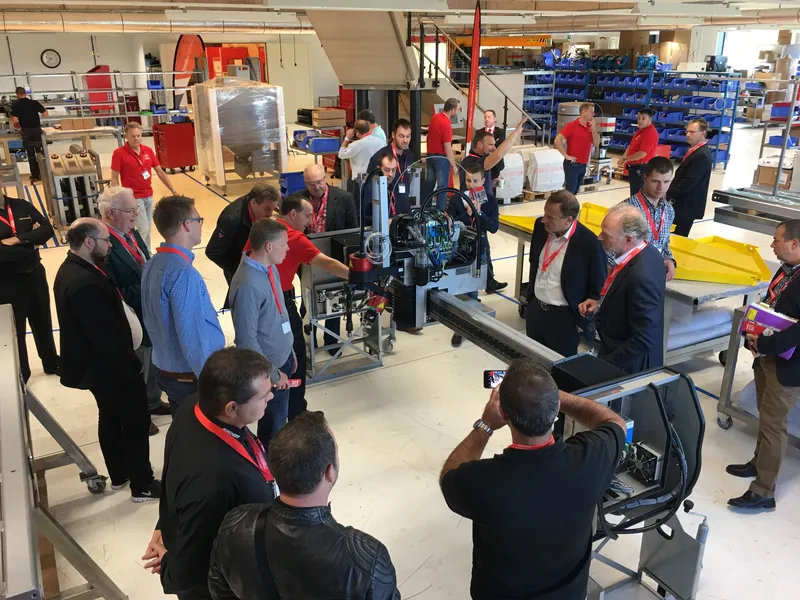
Resato waterjet cutting machine at a customer site Under one roof

Designed & built in Assen

One team, from the first sketch to lifelong support.

Get to know Resato
Book a test cut
Knowledge base

The taper effect explained

What the taper effect is, which types of taper exist and how to prevent it when waterjet cutting.

2 March 2023 · 1 min read

In waterjet cutting, specific factors influence the shape of the cut through the material, thus preventing the taper effect. This means that a tapering effect can be created on the cutting line.

How does the taper effect occur?

First of all, the water jet increases as it is further away from the nozzle. This can create a tapering effect on the cutting line, so that it does not run square to the metal surface. In addition, the speed at which the cut is made determines which tapering effect occurs, e.g. by not using enough or too much time to make the cut. The thickness of the material also plays a role in the natural form in which the water cuts through the material.

Applications of the taper effect:

  • In a V-shape, where the cut is narrow on the side of the nozzle and wider on the other material side.
  • An inverse effect where the cut is wider on the side of the nozzle and narrower on the other material side.
  • With a round tapered effect, the cut is narrow on both surfaces, but has a bulge in the middle of the material.

Preventing a tapering effect

The tapered effect can be eliminated or controlled by fine-tuning the nozzle to optimally direct the waterjet. The cutting speed must be adjusted to the type and thickness of the material. It is even possible to compensate for tapering by adjusting the angle of the nozzle so that the end result is a rectangular cut without any tapering.
Cutting trial

Curious what this does
on your material?

Send us a plate or a drawing and we will cut a sample. You see the kerf and the edge quality on your own material. We normally do not charge for that cutting trial.

Sample on your own material
Our work preparation makes the cutting file
On site within 72 hours across Europe