Resato Together Day · Thursday 19 November in Assen · unveiling at 15:00 Register now

Book a test cut
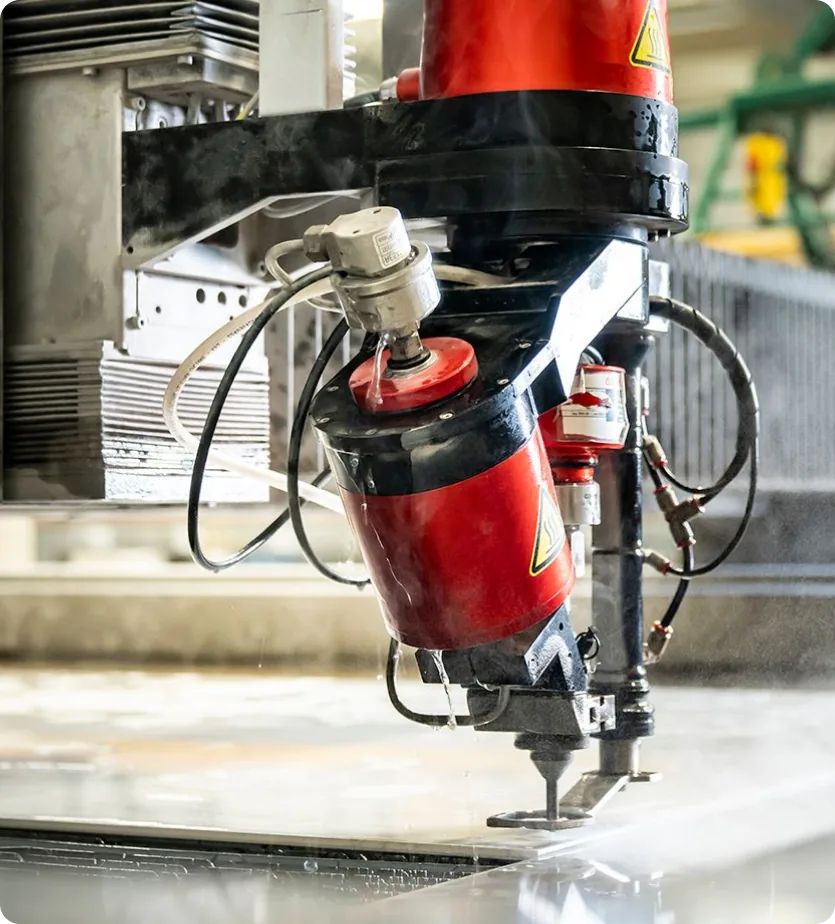
Waterjet cut detail in stainless steel Without heat input

One process, almost any material

From granite to titanium, from 1 to 200 mm thick, without heat input and without changing tools.

All industries
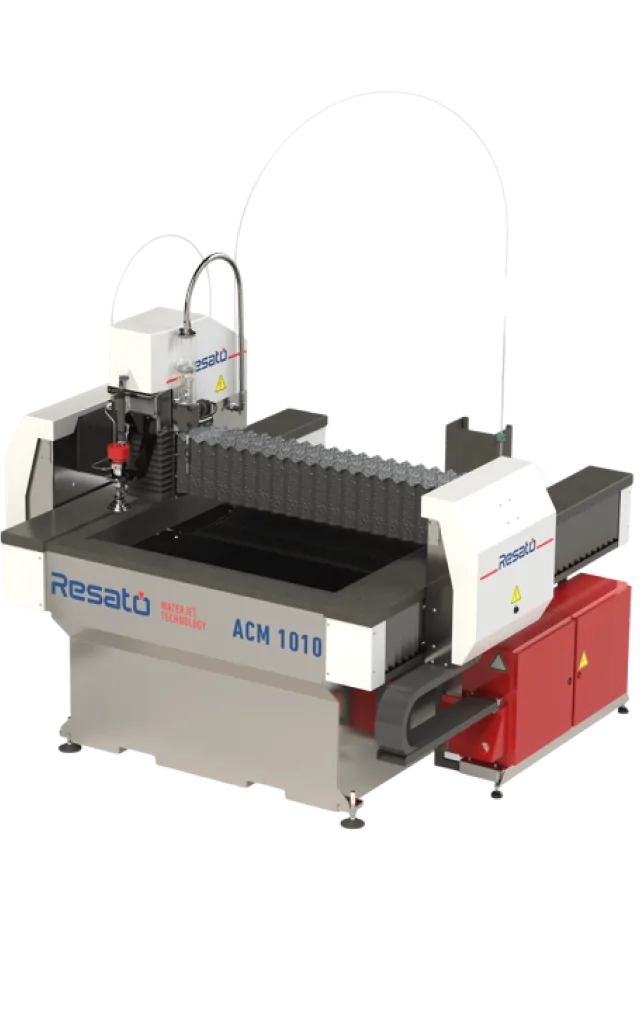
Resato ACM waterjet cutting machine Built in Assen

Configure your waterjet

Choose table, cutting head and pump, designed as one system and serviced by one team.

View the cutting system
Servicing a Resato waterjet cutting machine Uptime first

Service from the manufacturer itself

Our own engineers, parts from our own stock. In the event of a breakdown we log in to the machine directly and assess its status.

All services
Waterjet cutting in practice References

Four sectors, one cutting technique.

From acoustics and defence to stone working and custom metal: companies large and small cut with it every day.

All knowledge & references
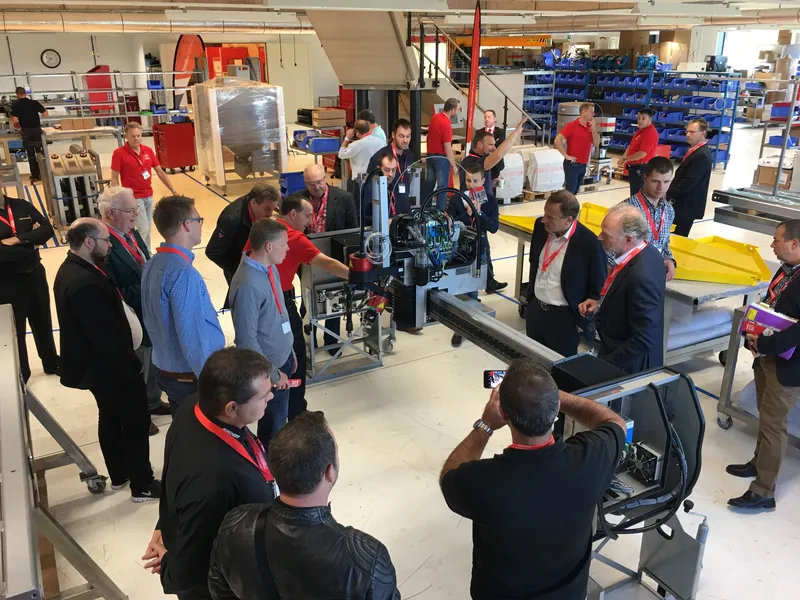
Visitors with lanyards gather around a waterjet machine on the factory floor while a staff member in a red shirt explains how it works 19 November, Assen

Resato Together Day

See the machines at work and talk to the people who build them. Registration is open until 11 November.

Register now
Book a test cut
Industries

Cutting glass always takes abrasive.

Glass is the material that sounds soft and is not. Where plastic, rubber and wood can also be cut with pure water, glass always goes with abrasive. On laminated glass a pre-drilled pilot hole is added, so the jet does not get between the layers.

How we do it

Abrasive, even on thin glass.

On glass we mix a fine cutting sand into the jet, usually garnet. The water accelerates the grains and aims them; the grains do the actual cutting. Pure water is not an alternative for glass, not even on thin material.

Because the process is cold, heat does not affect the material. Standard glass, chemically tempered glass and laminated glass all three go through the same setup.

Three things to know
01Always abrasiveEven on thin glass; pure water is not an option here.
02Pilot hole in laminated glassThe DR-4 drills first, so the jet does not get between the layers.
03Cold processHeat does not affect the material.
1–200mmMaterial thickness (process range)
Standard · tempered · laminatedTypes of glass
4,000barMax. pump pressure
AbrasiveAlways, even on thin glass
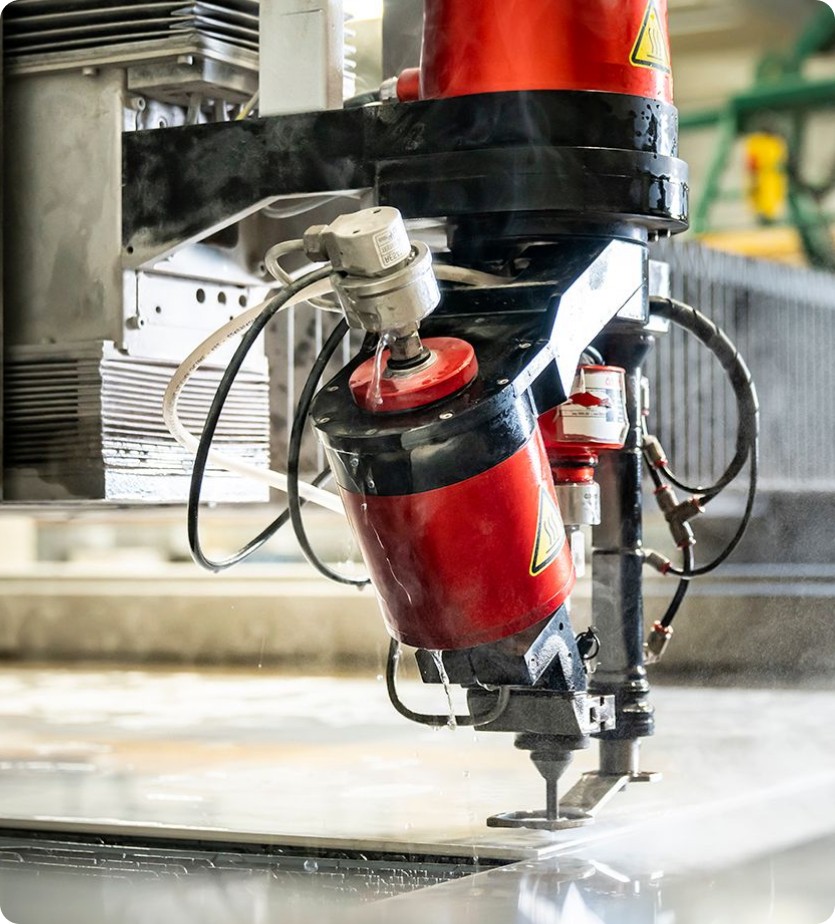
DR-4 drill unit Cut edge of laminated glass: the interlayer between the two panes stays intact.
Where the cut begins

Drill first, then cut.

On laminated glass the start of the cut is the sensitive moment. The DR-4 is an optional drill unit on the X-carriage that first drills a pilot hole mechanically, all the way through the material. The waterjet starts from that hole and finishes the contour.

That way the cut starts on a clean, pre-drilled point instead of on a hole pierced by the jet. The DR-4 is an addition to the cutting head, not a replacement.

Test cut

Does it work
on your glass?

Send us a sheet or a drawing and we will cut a test piece. Then you see the cut and the edge quality on your own material. We normally do not charge for that test cut.

Test piece on your own material
Our work preparation makes the cutting file
On site within 72 hours across Europe
Visitors with lanyards gather around a waterjet machine on the factory floor while a staff member in a red shirt explains how it works
Thursday 19 November, Assen

Resato Together Day

Come to our headquarters and see the machines at work, with the engineers who build them right beside you. At 15:00 we show something new. Registration is open until 11 November.

Register now