 Nederlands
 English
 Deutsch
 Français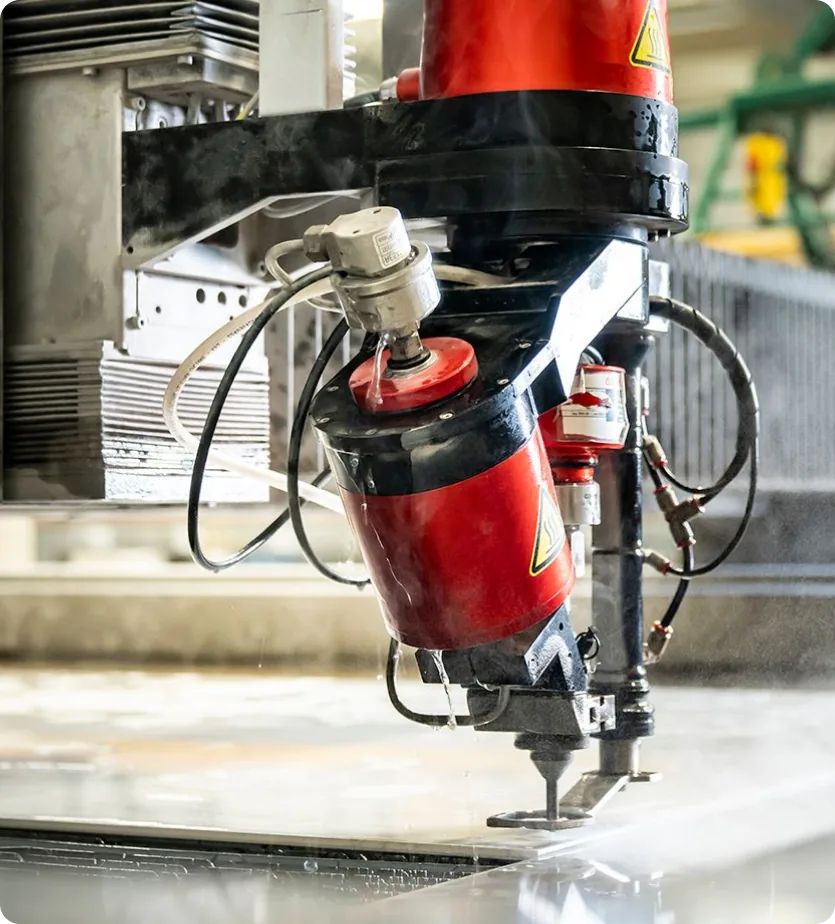

 Book a test cut
We cut almost anything.
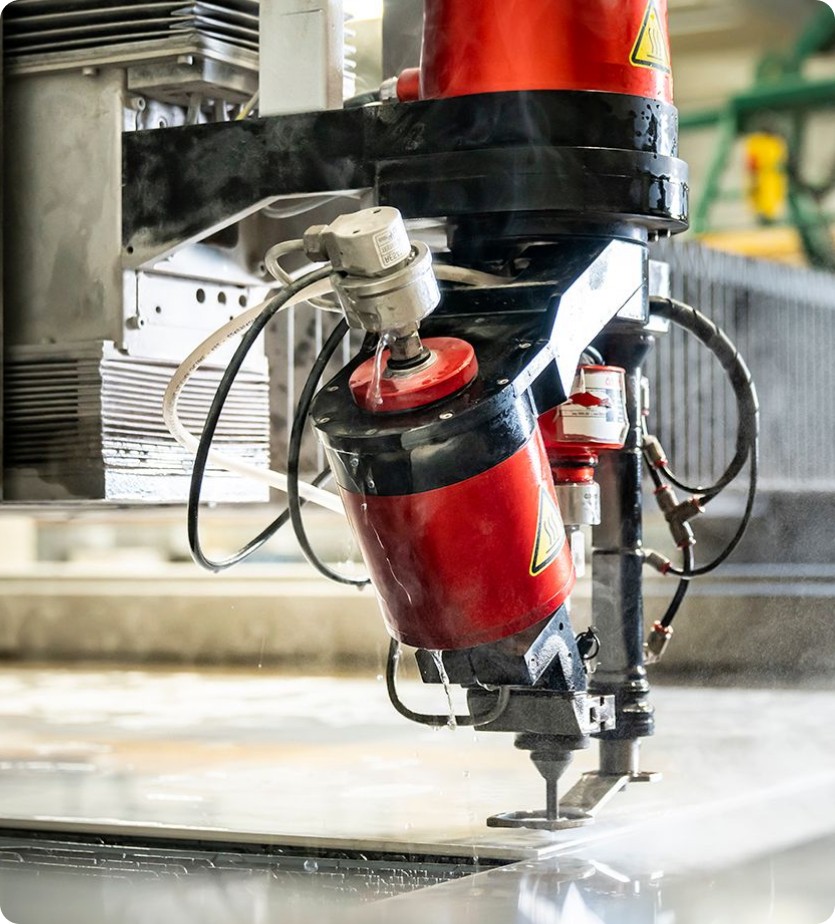
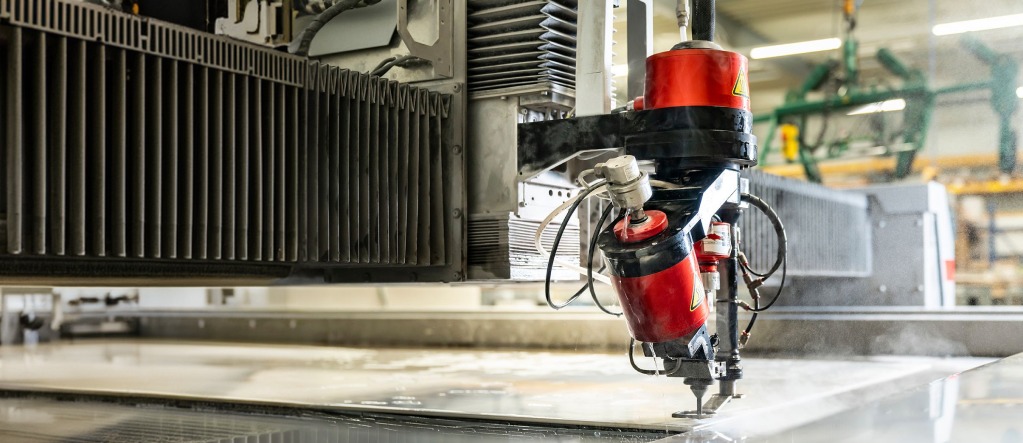
A waterjet cuts cold. That leaves your material untouched and lets a broad range pass through: metal and titanium, natural stone and ceramics, composites, glass, plastics, rubber and wood among others, in thicknesses from 1 to 200 mm. With or without abrasive, depending on the material.
Among others,
these materials.
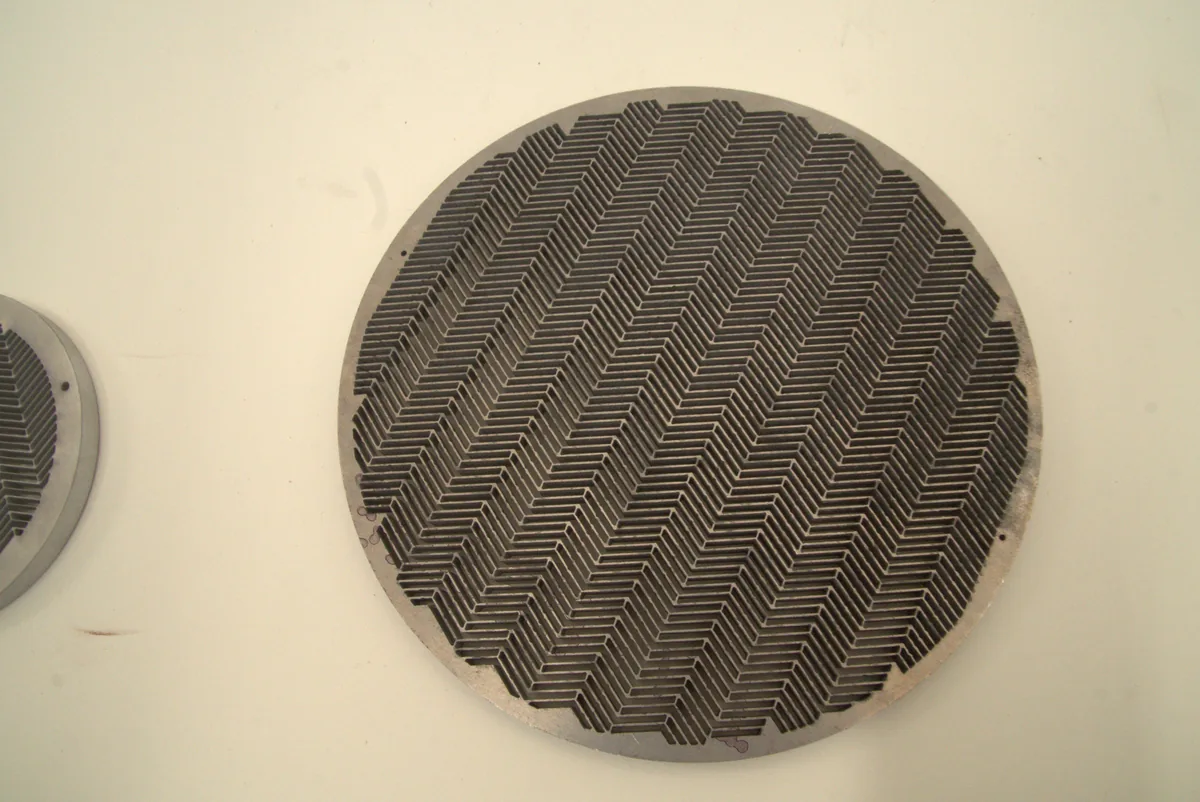
Metal
A cold process, so the crystal structure of the material stays intact. That makes it suitable for high-end alloys where the material properties must be preserved.
- Stainless steel
- Hardened steel
- Aluminium
- Copper
- Titanium
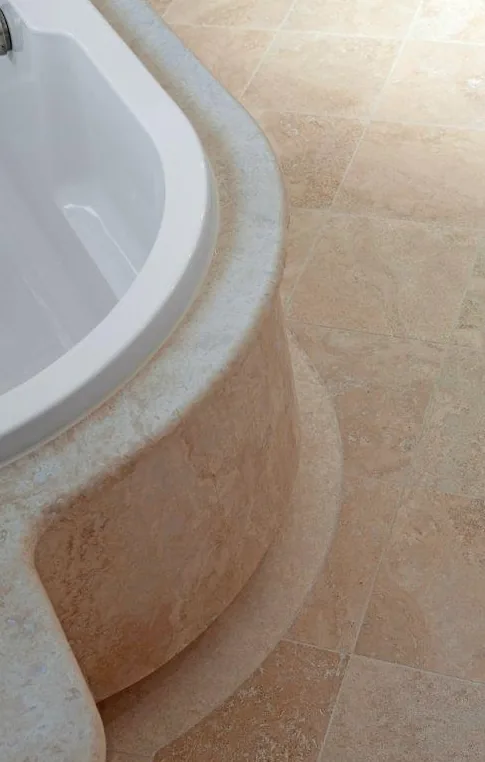
Natural stone & ceramics
For worktops, bathrooms and decorative elements; ceramics also for aerospace, medical and decorative applications. Granite up to 200 mm falls within the process range. Always with abrasive.
- Granite
- Marble
- Ceramics
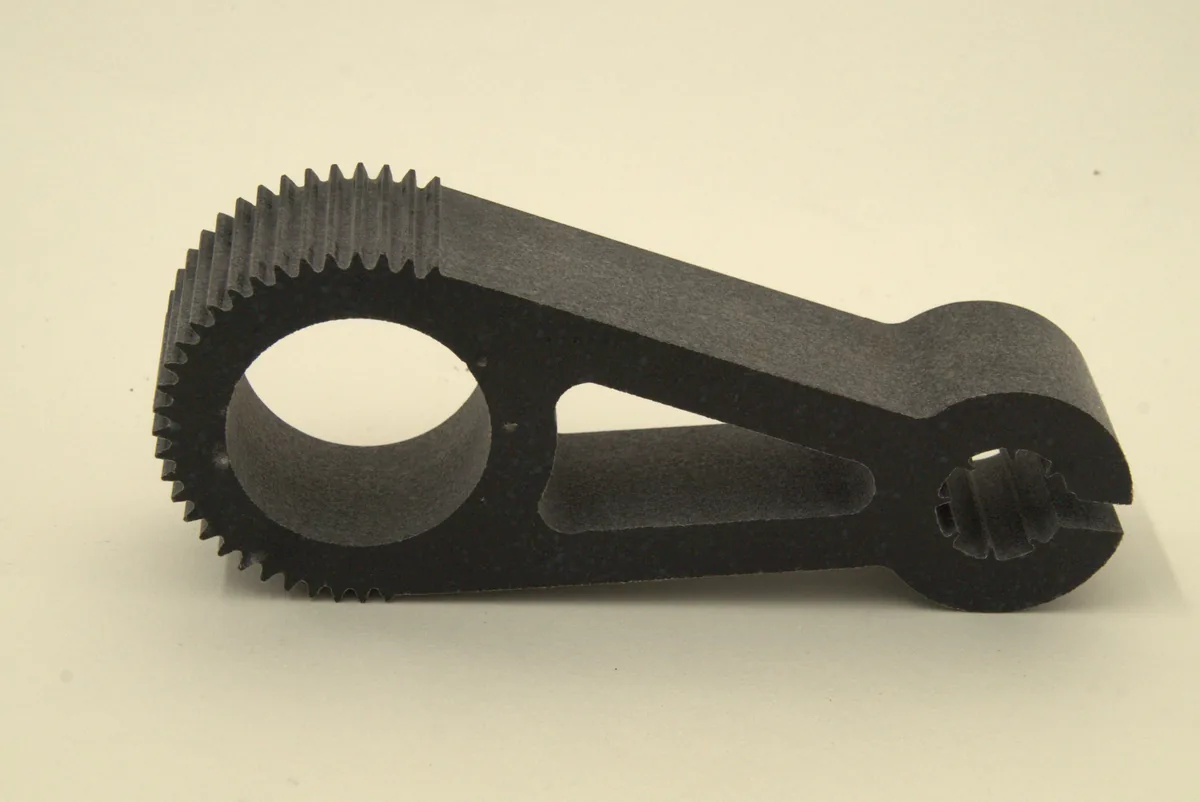
Composites
Carbon and glass fibre reinforced composites, both cutting from sheet and finishing existing material. Widely used in automotive, aerospace and sport.
- CFRP
- GFRP

Glass
Standard, tempered and laminated glass for decorative elements and machine parts. Always with abrasive, without heat input.
- Standard glass
- Tempered glass
- Laminated glass
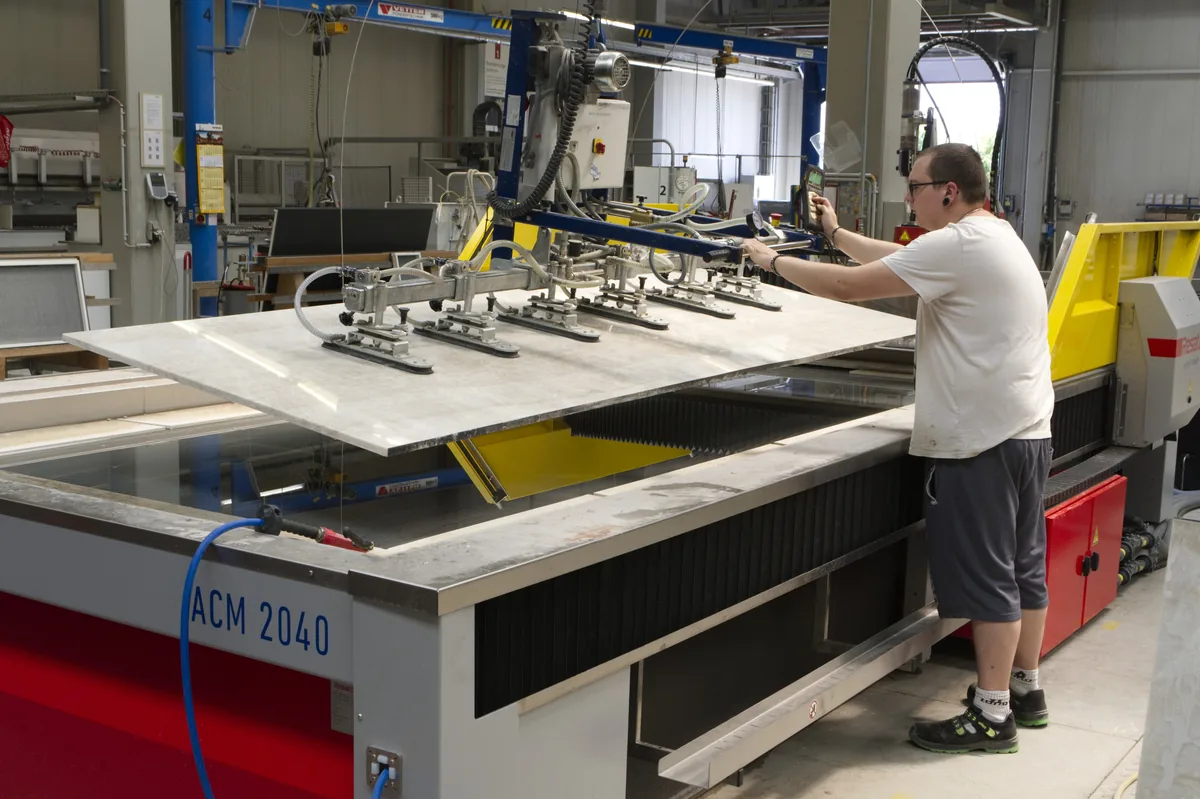
Plastics
No melted edges, because no heat enters the material. Used in machine building and for medical applications. With abrasive or pure water.
- Machine building
- Medical
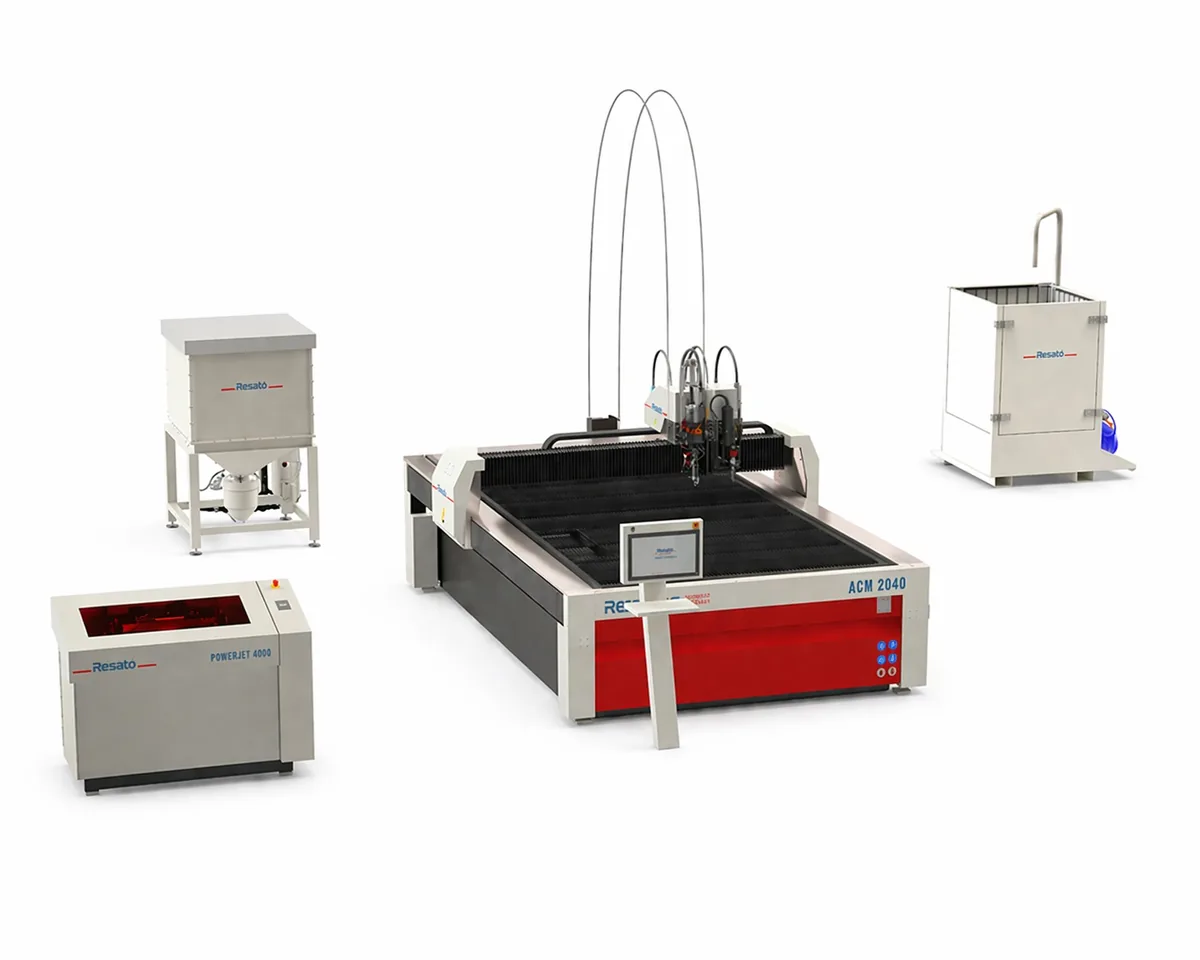
Rubber
Gaskets, profiles, timing belts, conveyor belts and hoses. With pure water or abrasive.
- Gaskets
- Profiles
- Conveyor belts
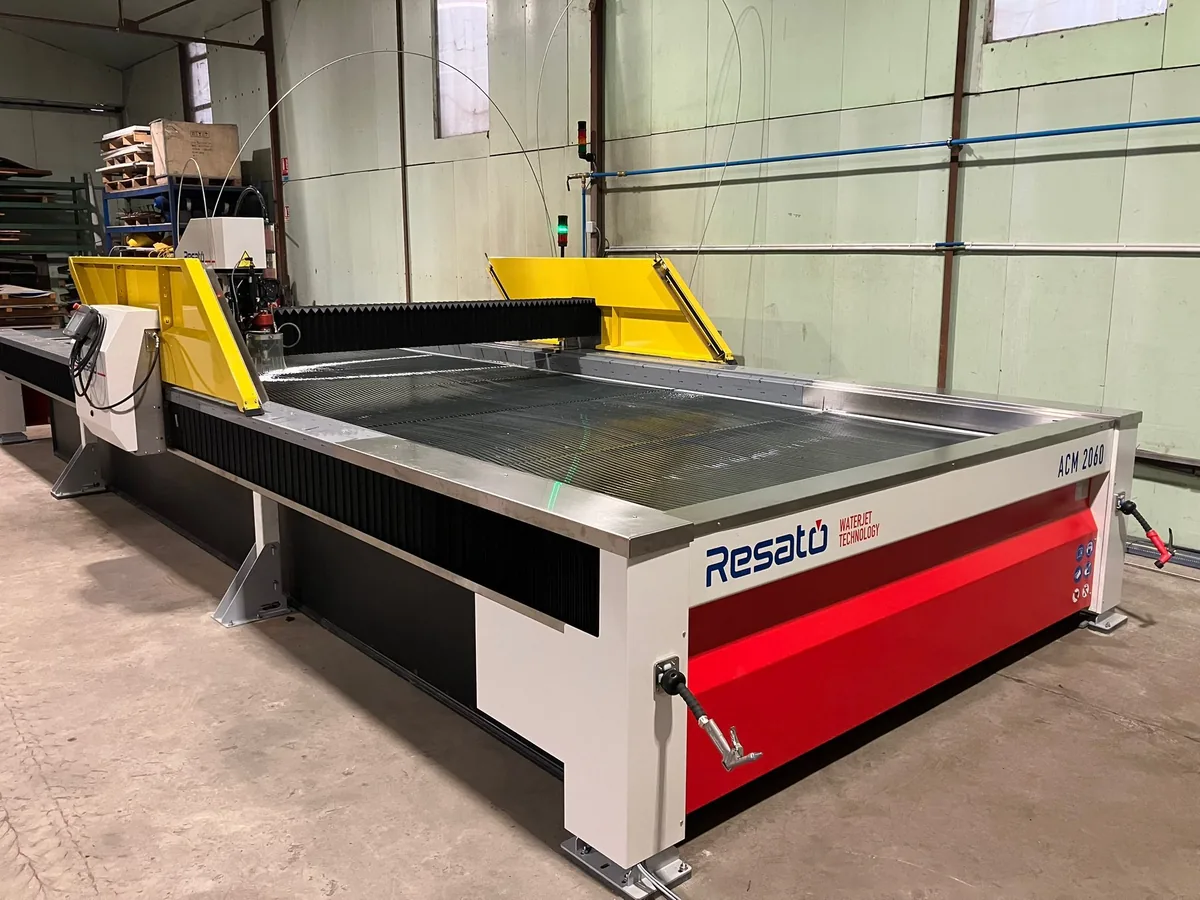
Wood
Water does not penetrate quickly, so parts stay dry and can be glued straight away. For puzzles, building materials and free forms. With abrasive or pure water.
- Puzzles
- Building materials
- Free forms
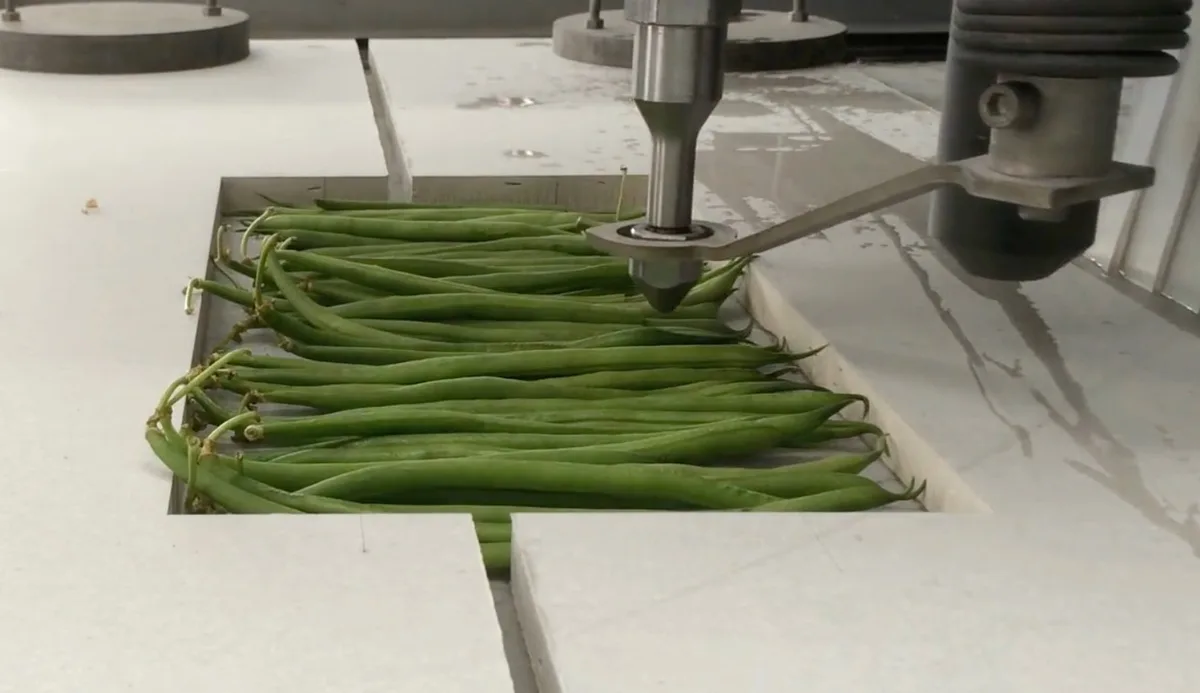
Food
Cut with pure water only, without additives — which keeps it within the hygiene requirements of the food industry. These applications run through OEM customers, who integrate our components into their own line.
- Meat and fish
- Food industry
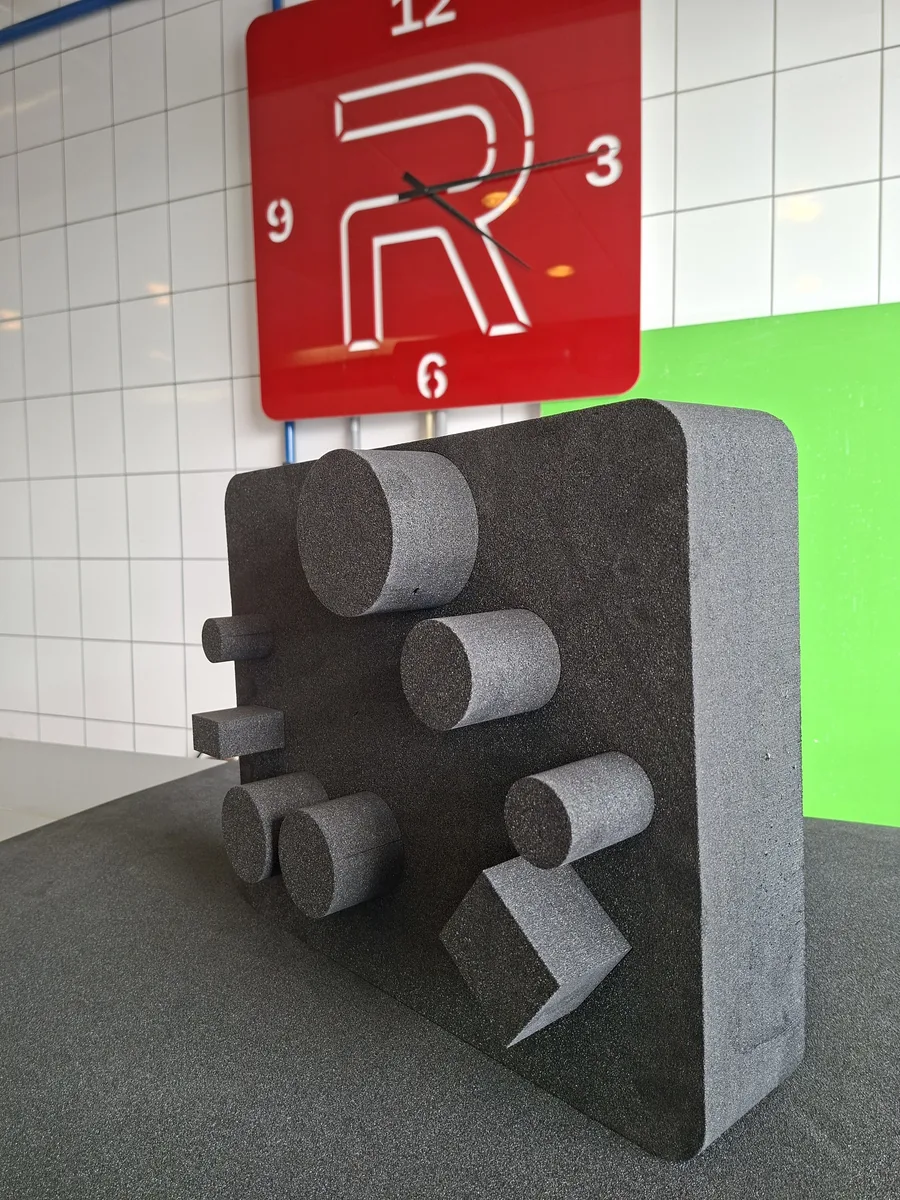
Foam
Acoustic foam, insulation and gaskets, cut with pure water and without heat input.
- Acoustic foam
- Insulation
- Gaskets
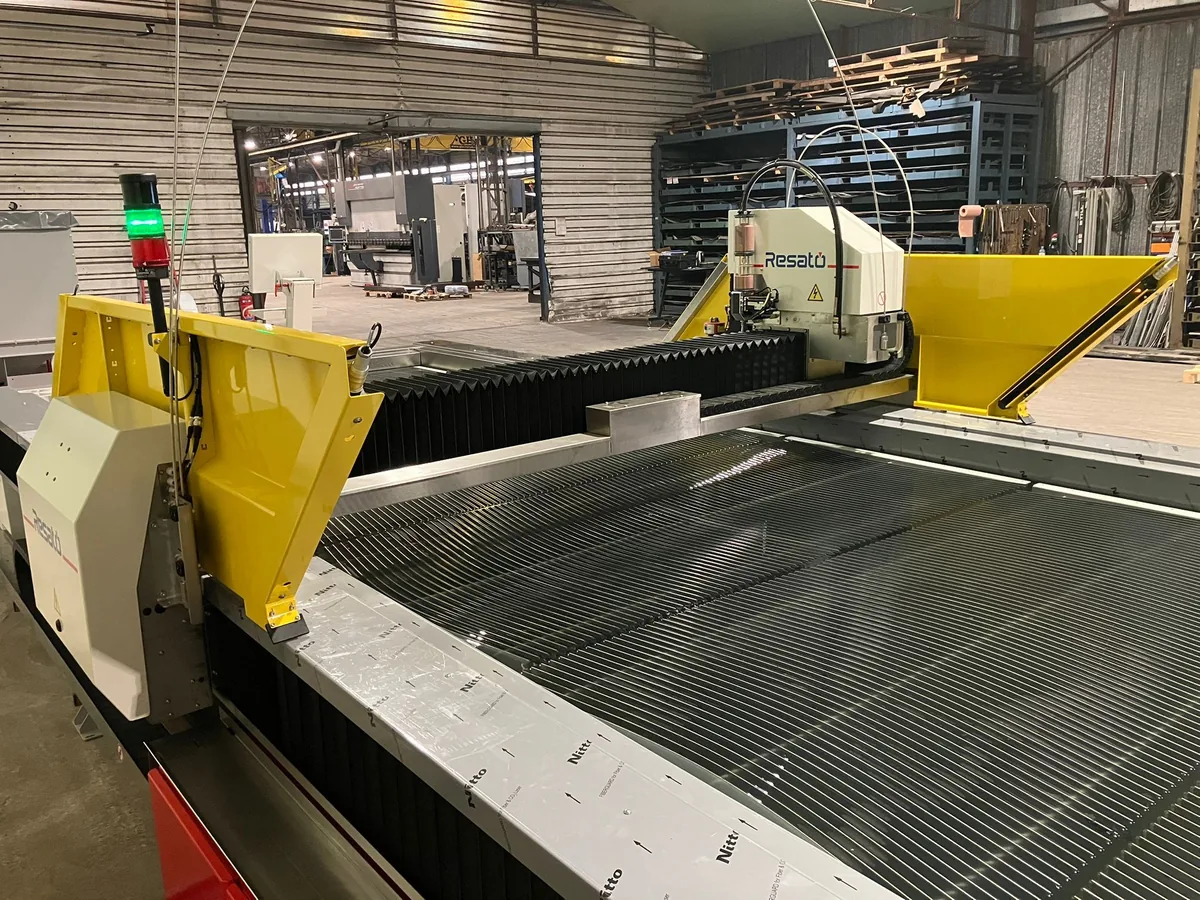
Cutting cold, so your material stays itself.
With waterjet cutting no heat enters the material: no heat affected zone, no warping and no micro-cracks. The crystal structure stays unchanged. That leaves you a smooth cut without burrs, with hardly any finishing, and lets a broad range pass through.
- No heat input, no heat affected zone
- Material thickness from 1 to 200 mm (process range)
- With or without abrasive, depending on the material
Two cutting methods, one technique.
Harder and thicker materials are cut with abrasive: fine grains do the cutting while the water accelerates and directs them. Softer materials are cut with pure water under high pressure, without additives.
Which method fits best depends on the material, its hardness and its thickness. If in doubt we determine that together during a cutting test on your own material.
Proven in practice, at manufacturers, stone processors and defence across Europe
Send us your material,
we will cut it.
Tell us what you cut and in what volumes. We cut your material on the machine that fits it, and one of our colleagues turns that into a configuration and a realistic quotation.
Prefer to call? +31 (0)50 501 6877 or sales@resato-waterjet.com